
No More Lies
My Emotionally Abusive Relationship

“Unmasking the abuser also does him a favor, because he will not confront—and overcome—his highly destructive problem as long as he can remain hidden.”
Disclaimer
This article is intended solely to inform the public of the author’s personal experiences. The statements herein are made in good faith and are believed to be truthful to the best of the author’s knowledge. It is not the author’s intent to harm or affect the reputation of any individual.
This story includes reproduced text messages and screenshots that reflect the emotional dynamics of the relationship described. Some readers may find this material distressing. I have chosen to include these materials to preserve accuracy and context, and readers are encouraged to engage with the story at their own pace.
I trusted him with my mind. He used it against me.
When I met “Tim,” I thought two years of searching had finally led me somewhere real. He was educated, charming, and spoke my language in a way that felt rare, with effortless conversation, shared values, and a connection that quickly turned intimate, both emotionally and physically.
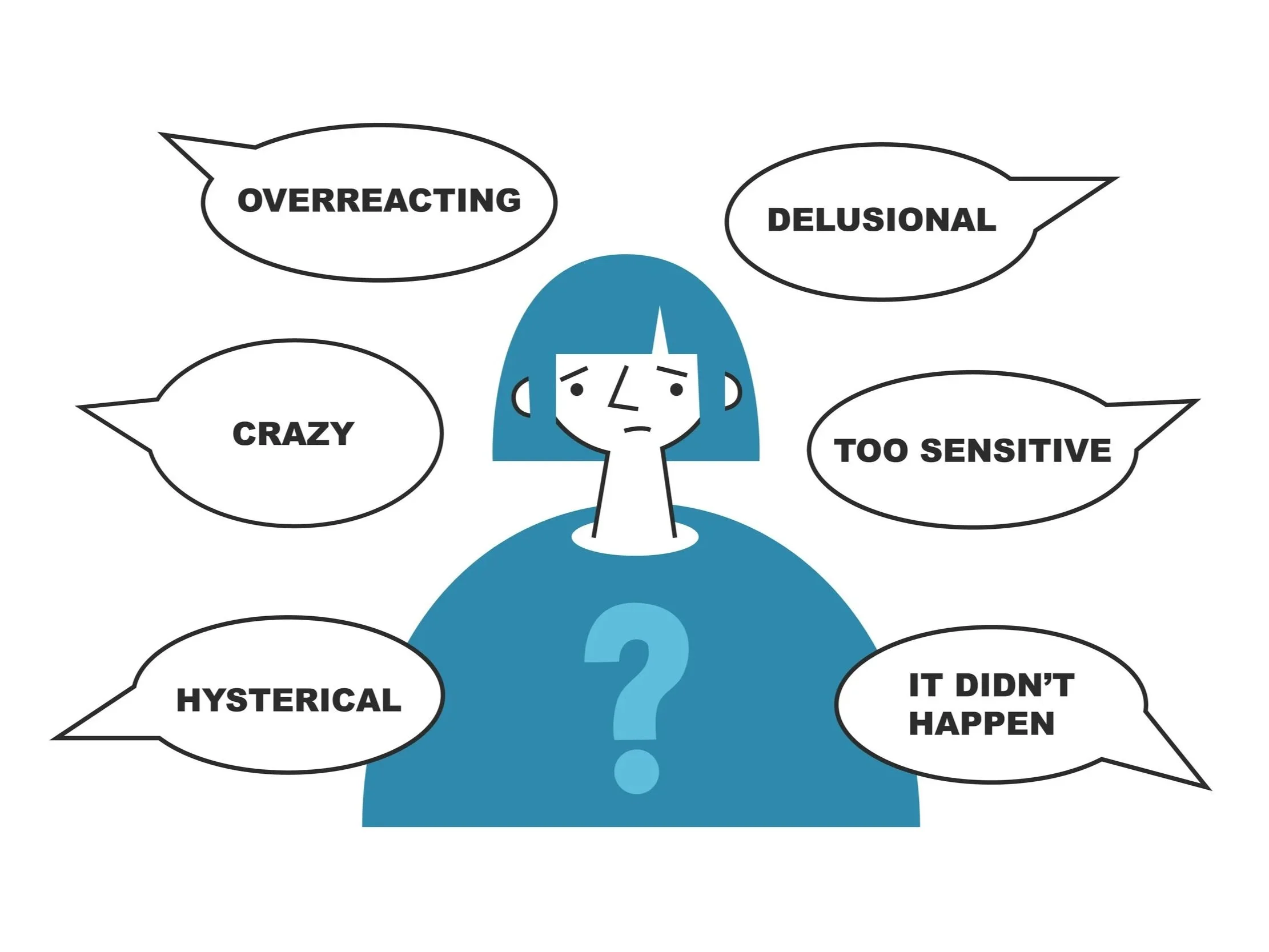
As the relationship deepened, so did the contradictions. The man I fell for began to disappear, replaced by someone distant, evasive, and increasingly difficult to understand. Our connection became a cycle of intensity and confusion, closeness followed by silence, affection followed by withdrawal. Every time I asked for clarity, the focus shifted back onto me. I was not seeking answers; I was “dramatic.” I was not noticing patterns; I was “crazy.”
I am a therapist. My career is built on helping others recognize these exact dynamics. Yet I found myself shrinking, second-guessing, and redrawing my own boundaries just to keep the relationship intact.
The deeper I sank, the more the secrets surfaced: a lie about his identity from the very beginning, a hidden criminal record, a secret child, and a life constructed through omission and calculated silence. I left more than once and went back, convinced that if I could just find the right words, he would finally choose honesty.
He didn’t.
No More Lies is a clinical, evidence-based account of emotional abuse that reveals how manipulation does not always look like chaos; it can feel like connection. It is a story of how reality is slowly rewritten, how even trained professionals can be pulled into psychological control, and why the most dangerous lies are the ones that make you doubt yourself.
Why I’m Doing This
I am not writing this to seek revenge.
I am writing this because emotional abuse is real, and no one talks about it enough. We call our abusers toxic, trash, or players but we need to call them what they actually are: abusers. Their victims carry silent wounds that are just as serious as any physical injury. I survived this. And if my story helps even one person recognize what's happening to them and find a way out, it was worth it.

Chapter 1: How It All Started
I matched with "Tim, 28" on Tinder.
His real name wasn’t Tim. He was 34. That was the very first lie before our first date even ended. But the date itself was wonderful. We had so much in common. I was smitten. I'd spent two years exhausted by dating, and it finally felt like I'd hit the jackpot. Looking back, I now understand: the charm at the beginning isn't separate from the abuse that follows. It is part of it.
Chapter 2: How Did He Abuse Me?
Abuse isn't always screaming.
It isn't always a bruise. Emotional abuse is a pattern — a slow, consistent erosion of your sense of reality, your confidence, and your voice. I use the Power and Control Wheel to document what happened to me, not because I want to expose one man, but because these are tactics. They have names. And once you can name them, you can recognize them in your own life, or in someone else's.
Chapter 3: Lies & Excuses
He told me he'd never been to prison. Public records said otherwise.
Chronic lying isn't just dishonesty. In an abusive relationship, it is a strategy. Every lie he told me about his name, his age, his criminal record, his children served a purpose. It kept me confused. It kept me off-balance. It kept me from seeing the full picture until I was already deep inside it.
Lundy Bancroft wrote that repeated lying is not incidental in abusive relationships. It is a core mechanism of control. I lived that sentence.
Chapter 4: Using Coercion & Threats
By this point I was shrinking myself to keep the peace. That's what coercion does quietly.
Coercion doesn't require a raised voice. It can be a look. A withdrawal. A consequence that hangs in the air without ever being stated out loud. By this point in our relationship, the manipulation had intensified and I was starting to feel its weight in ways I couldn't fully articulate yet.
I kept adjusting. Accommodating. Shrinking. That is exactly what coercion is designed to make you do.
Chapter 5: Using Emotional Abuse
He didn't break my bones. He broke the way I saw myself.
There is a particular kind of damage that emotional abuse leaves behind. It doesn't show up on an X-ray. It shows up in the way you start apologizing for things that aren't your fault. In the way you rehearse conversations before you have them. In the way you stop trusting your own feelings because you've been told, again and again, directly or indirectly that they are wrong.
This chapter is about what that erosion actually looked like. Day by day. Interaction by interaction.
Chapter 6: Spiritual & Cultural Weaponization
He used God and culture to keep me hidden.
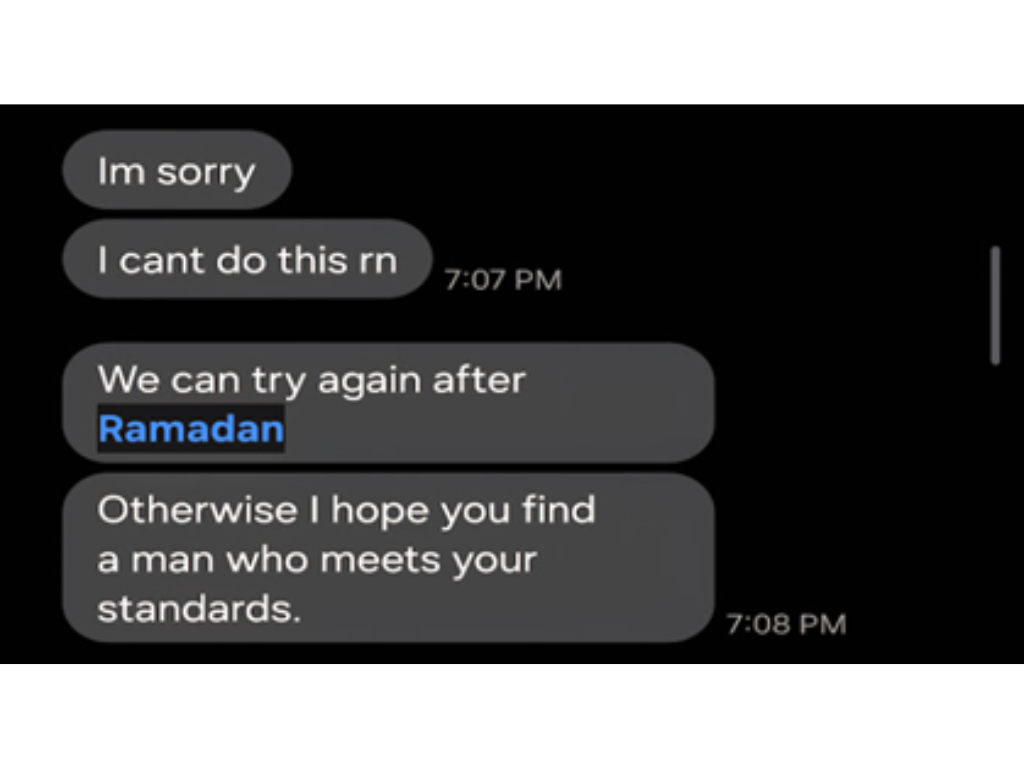
I have worked with clients who dated in secret because of faith or family expectations. I understood that dynamic clinically. What I didn't expect was to find myself inside it with a man who used his religion not as a sincere practice, but as a reason I couldn't be introduced to his apartment, his friends, or his world.
When culture and faith are weaponized to justify isolation and secrecy, they become tools of control.

Chapter 7: Using Isolation
Isolation in an abusive relationship rarely looks like being locked in a room.
It looks like being kept away from his life. Never meeting his friends. Never visiting his home. Being kept in a separate, sealed-off compartment of someone's existence while they move freely through yours.
Isolation as an abuse tactic works slowly. You don't notice how small your world has become until you try to reach for something outside of it and realize you've drifted further than you thought.
Chapter 8: Minimizing, Denying, and Blaming
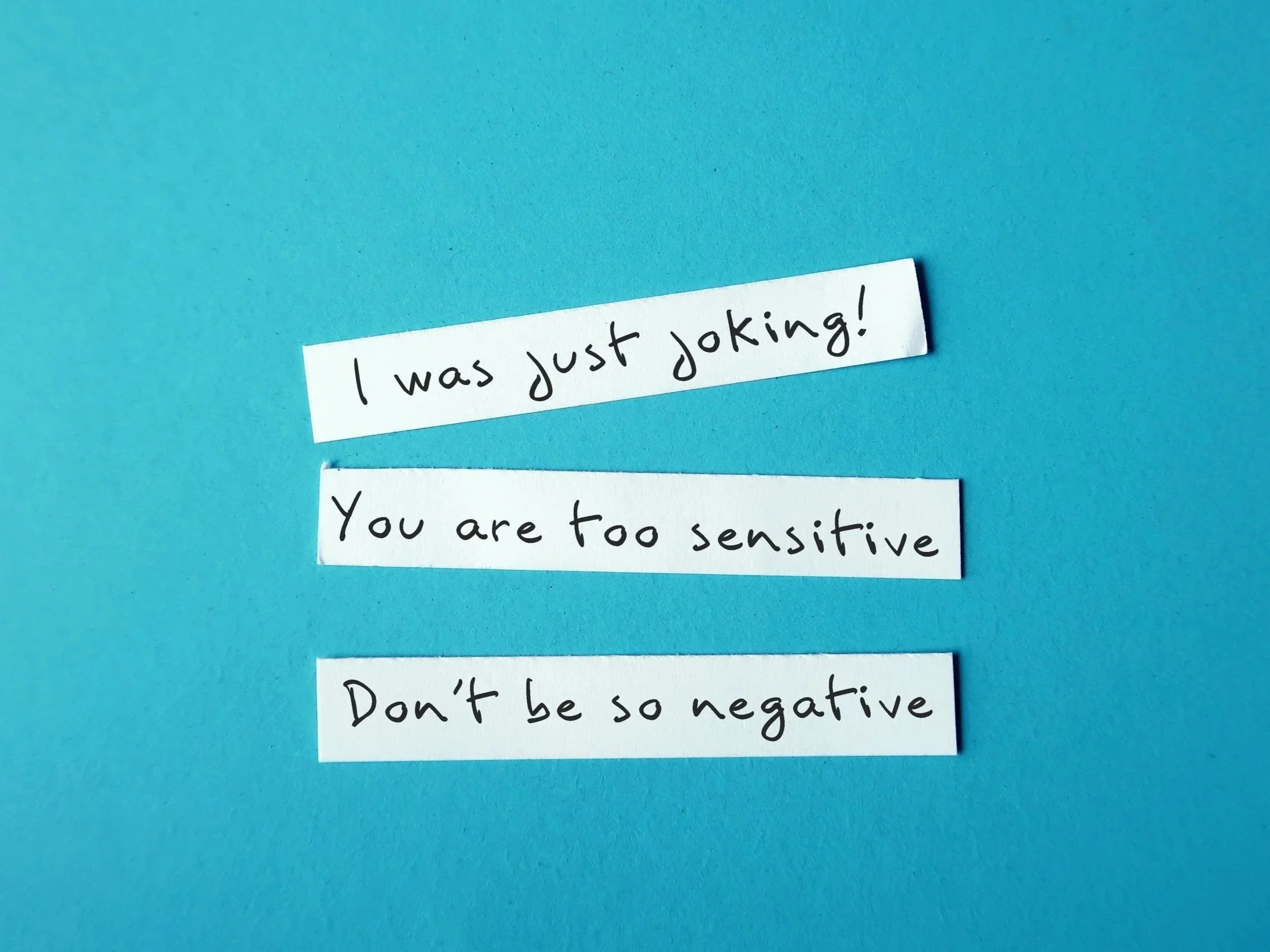
"You're too dramatic." "I didn’t say that." "I am not doing anything hurtful. You perceive it as such."
These are not just unkind things to say. They are tactics. Minimizing, denying, and blaming are how an abuser keeps himself from being held accountable and how he transfers that weight onto you. I raised my concerns clearly. Multiple times. In different ways. And every single time, the conversation ended with me questioning whether I had a right to be upset in the first place.
That is not a communication problem. That is abuse.

Chapter 9: Cheating & Triangulation
It wasn't just the cheating. It was being made to compete for basic decency.
Triangulation is when a third person real or implied is used to destabilize you. To make you feel replaceable. To make you work harder for affection that should never have required that kind of effort.
By this point, I had enough evidence to understand that monogamy had never been part of his reality not with me, and not in his life before me.
The betrayal wasn't only about infidelity. It was about what the deception said about how little I was valued.
Chapter 10: DARVO
I came to him with my pain. Somehow, I left the conversation apologizing.
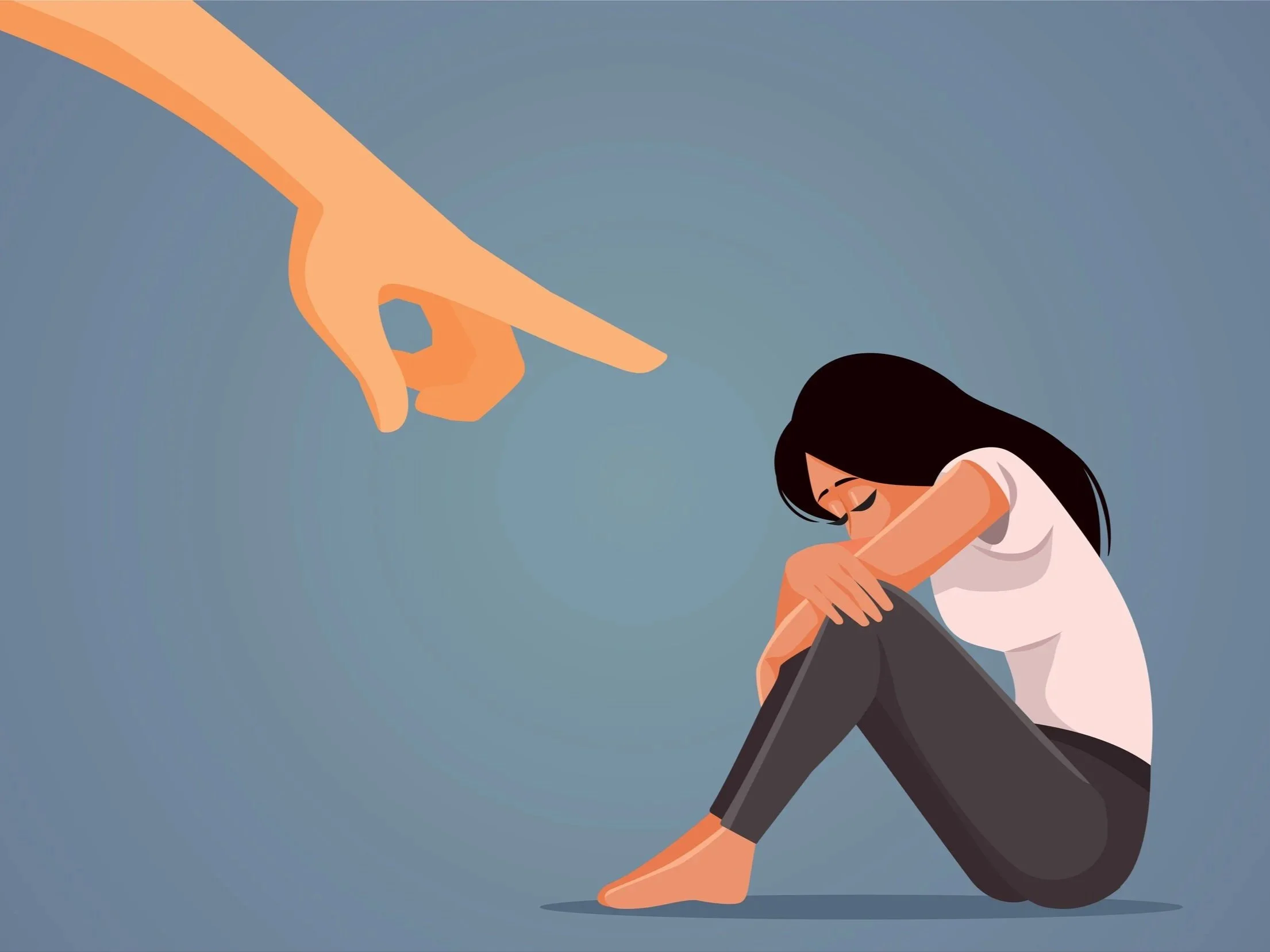
DARVO stands for Deny, Attack, Reverse Victim and Offender. It is one of the most disorienting experiences a survivor can have because it happens fast, and it is designed to. You raise a concern. He denies it. He attacks your character for raising it. And by the end, he is somehow the one who has been wronged.
I experienced this repeatedly. And each time, it made me doubt myself a little more. That self-doubt is the whole point.

Chapter 11: Stonewalling
The silence was louder than anything he ever said to me.
Stonewalling is not just giving someone the silent treatment. It is a calculated withdrawal used at precisely the moment when you need resolution, honesty, or acknowledgment. The wall goes up, and you are left alone with your thoughts, second-guessing what you did wrong, trying to figure out how to reach him again.
I now understand that the silence was never about needing space. It was about power.
Chapter 12: Trauma Bonding
I knew something was wrong. I stayed anyway. Here's why.
Trauma bonding is not a character flaw. It is a psychological response — one that develops when cycles of harm and intermittent warmth train your nervous system to hold on rather than let go. The good moments didn't cancel out the bad ones. They made the bad ones harder to leave.
I am a therapist. I have explained trauma bonding to clients. And I still lived it. That is how powerful and how real this cycle is.
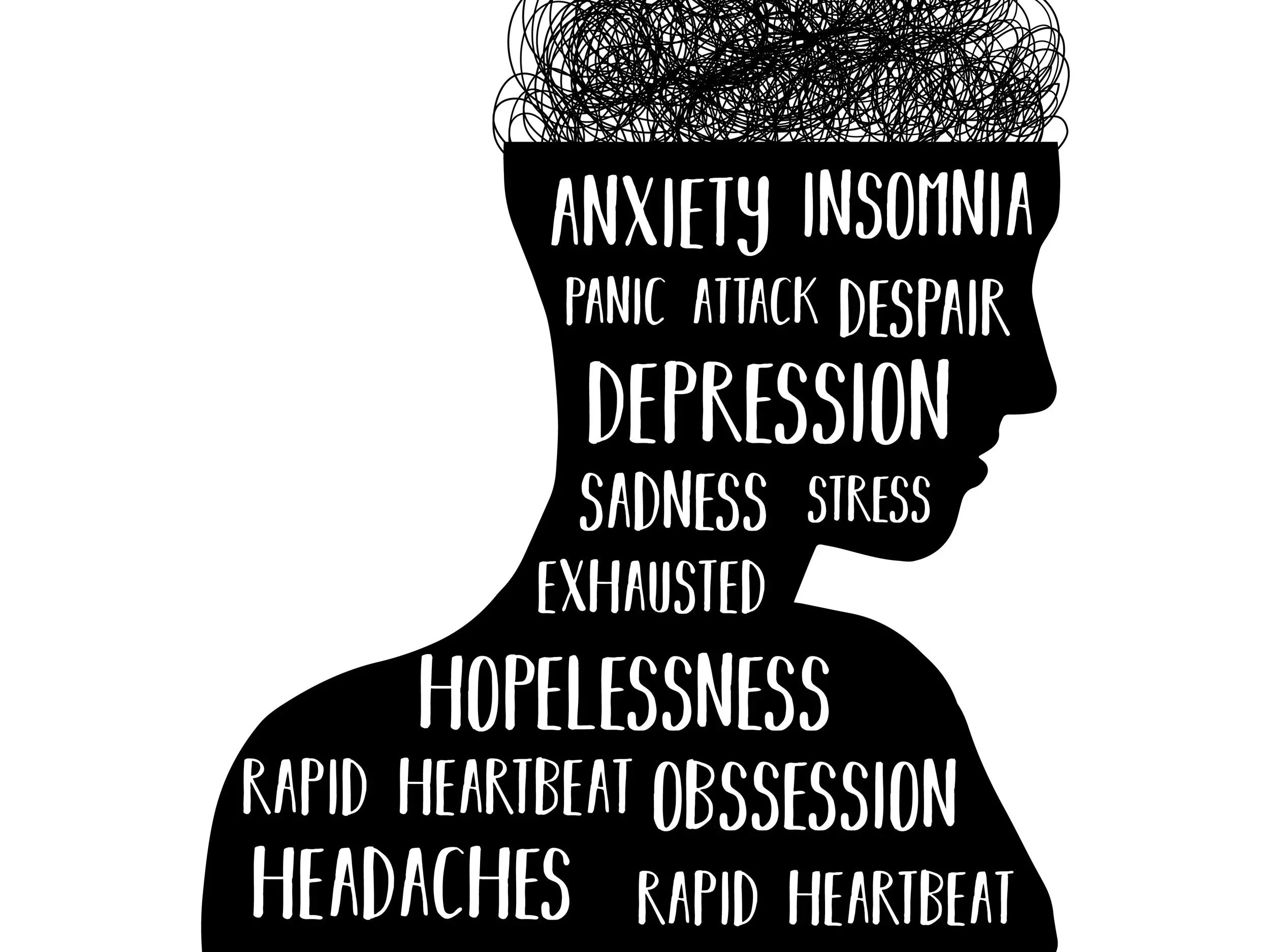
Chapter 13: Depression
I was still showing up. Still functioning. And still quietly falling apart.
Depression after emotional abuse doesn't always announce itself. It wasn't dramatic for me. It looked like exhaustion I couldn't explain. Like crying in my car before walking into work. Like a heaviness that had no clean edges because the thing causing it still hadn't been fully named.
This chapter is one of the most personal I've written. Because depression isn't weakness. It is what happens when a person has been carrying something far too heavy, for far too long, mostly alone.
Chapter 14: In His Defense
I looked for reasons to defend the man who hurt me. Here's what I found and what I still believe.
Before I close this story, I want to say something that might surprise you. I considered his context. His history. The things that may have shaped him into the person he became. I am a therapist and even in my own pain, I could not stop trying to understand.
This chapter is not an excuse for what he did. It is a reminder that empathy and accountability are not opposites. You can hold both. What you cannot do is let your empathy become the reason you accept mistreatment.
Chapter 15: What Can We Do?
Emotional abuse has no roadmap for survivors. So I'm writing one.
Emotional abuse leaves no visible marks. It leaves confusion. Self-doubt. A version of yourself you barely recognize. And because it is so hard to prove, so easy to dismiss, survivors are often left without justice, without validation, and without a roadmap forward.
This chapter is for you. Whether you are in it right now, just getting out, or trying to help someone who is — there are steps. There is clarity. And there is life on the other side of this. I am proof of that.
Appreciation and Citations
To everyone who believed me when I was still learning to believe myself
Writing this was not easy. There were moments I questioned whether I should. Whether it was worth it. Whether anyone would understand. And in those moments, I thought of the people who never let me doubt my own experience who sat with me, listened to me, and reminded me that what happened to me was real, and that I deserved to say so out loud.
To every person who held space for me during this: thank you. This story exists because of you. And I hope it reaches someone who needs it as much as I once did.
No More Lies
A documented, chapter-by-chapter account of emotional abuse — written by a therapist who lived it. The book that refused to stay private.
Clinical & Financial Therapy
Licensed in NY & NJ. Working at the intersection of mental health and financial wellness — because how we handle money is always about more than money.
Writing That Does Something
Posts that name what's hard to name. DARVO. Trauma bonding. The lies that felt true. Survivor stories written with clinical clarity and no apology.